


Recycled Granule
Plastic release into the environment can have harmful effects. Recycling plastic is one of the ways to help nature and prevent its irreversible impacts. Recycled plastic is returned to the production cycle, which not only reduces raw material costs but also contributes to environmental protection.
Through plastic recycling, we can significantly conserve resources and use them efficiently, ensuring that overexploitation does not compromise sustainable development.
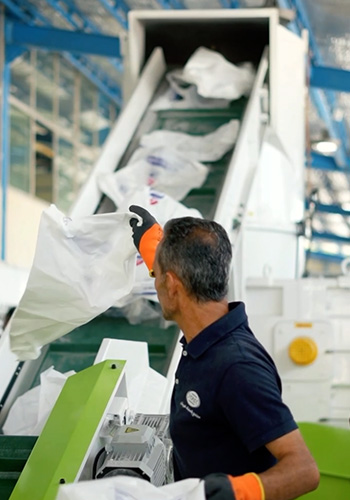
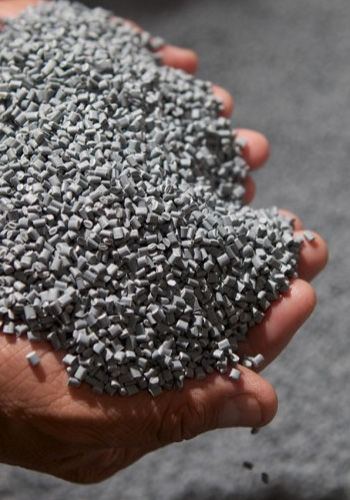
Afrajam Plast Tabarestan, the largest producer of recycled granules in Mazandaran, has leveraged an advanced plastic recycling line to produce high-quality recycled granules. These granules are made from recycled plastic bags and are used in various industries, including packaging, agriculture, and construction.
Our recycled products not only reduce production costs but also play a significant role in environmental protection by minimizing plastic waste and supporting a circular economy.
Wholesale Recycled Granules of Excellent Quality
Are you looking for high-quality recycled granules? In today’s world, with increasing environmental concerns, the use of recycled materials has become more important than ever. Our recycled granules price list provides exactly what you need.
Price List of High-Quality Recycled Granules
Recycled granules are recognized as widely used materials in the plastics industry. Here, we provide a price list of high-quality recycled granules to help you make an economical and suitable choice. Prices are influenced by various factors, which we explain below.
Evaluating the Quality of Recycled Granules
The quality of recycled granules depends on several factors:
Type of Raw Material: The quality of the recycled plastic used significantly affects the final granule properties. Granules made from high-quality plastics generally have superior physical and chemical characteristics. Selecting the right initial plastic is a critical step in the production process.
Recycling Technology and Equipment: The equipment and technology used directly influence granule quality. Modern machinery and advanced methods help reduce contaminants in the raw material, improving the final quality of recycled granules.
Factors Affecting Recycled Granule Prices
Several factors influence granule pricing:
Raw Material Market Fluctuations: Changes in petroleum and petrochemical prices affect recycled granule costs.
Supply and Demand: During high demand periods, prices may naturally increase.
Transportation and Distribution Costs: Shipping and packaging costs impact the final price.
For accurate pricing, we recommend consulting with our sales experts.
Features of Recycled Granules
Recycled granules offer several technical and economic advantages:
Reusability: They can replace virgin granules in many industries, helping reduce production costs. Common applications include disposable containers, industrial equipment, and packaging.
Lower CO₂ Emissions: Compared to virgin granules, recycled granules typically have a smaller carbon footprint, contributing to environmental protection.
Comparison with Virgin Granules
Virgin granules are produced from raw materials and are generally more expensive. Recycled granules are cost-effective and require less energy during production, offering economic and environmental benefits.
While recycled granules may not always match virgin granules in quality, we provide the highest-quality recycled granules at competitive prices, ensuring excellent final product performance.
Reasons to Choose Recycled Granules
There are multiple reasons to choose recycled granules today:
Cost Savings: Reduce production expenses without compromising product quality.
Environmental Protection: Conserve resources and reduce plastic waste.
Support for Circular Economy: Promote sustainable industry practices.
Recycled granules are increasingly adopted in packaging, household appliances, and industrial manufacturing, helping improve product quality and industrial efficiency.
Recycled Granule Production Process
The production process involves several key steps:
Collection of Raw Materials: Gathering post-consumer or post-industrial plastics.
Washing and Shredding: Removing contaminants and converting plastics into granules.
Quality Control and Packaging: Ensuring consistent quality before distribution.
Impact of Recycling Methods on Granule Quality
Different recycling methods affect granule quality:
Mechanical Recycling: Lower cost but may provide slightly lower quality.
Chemical Recycling: Higher quality but more expensive.
We employ the best recycling techniques to deliver recycled granules of the highest possible quality, giving you confidence in every purchase.
Contact Us
For the price list of high-quality recycled granules and to place your order, contact us today!